Irrigation, Water supply, Industrial, Agricultural, Chemical Handling
Full Bore
Two-way
Plastic
Optional Flanged Ends
15 mm to 110 mm
PP Coated Steel / Plastic
One Piece / Two Piece / Three Piece (varies by model)
IS, ASTM, DIN (dependent on manufacturer)
Low, easily replaceable seats and seals
Excellent against most acids, alkalis, and salts
EPDM / NBR / PTFE
1.5 times working pressure
White / Grey / Black (as per model)
Quarter Turn
Lightweight, varies by size and design
Product Description
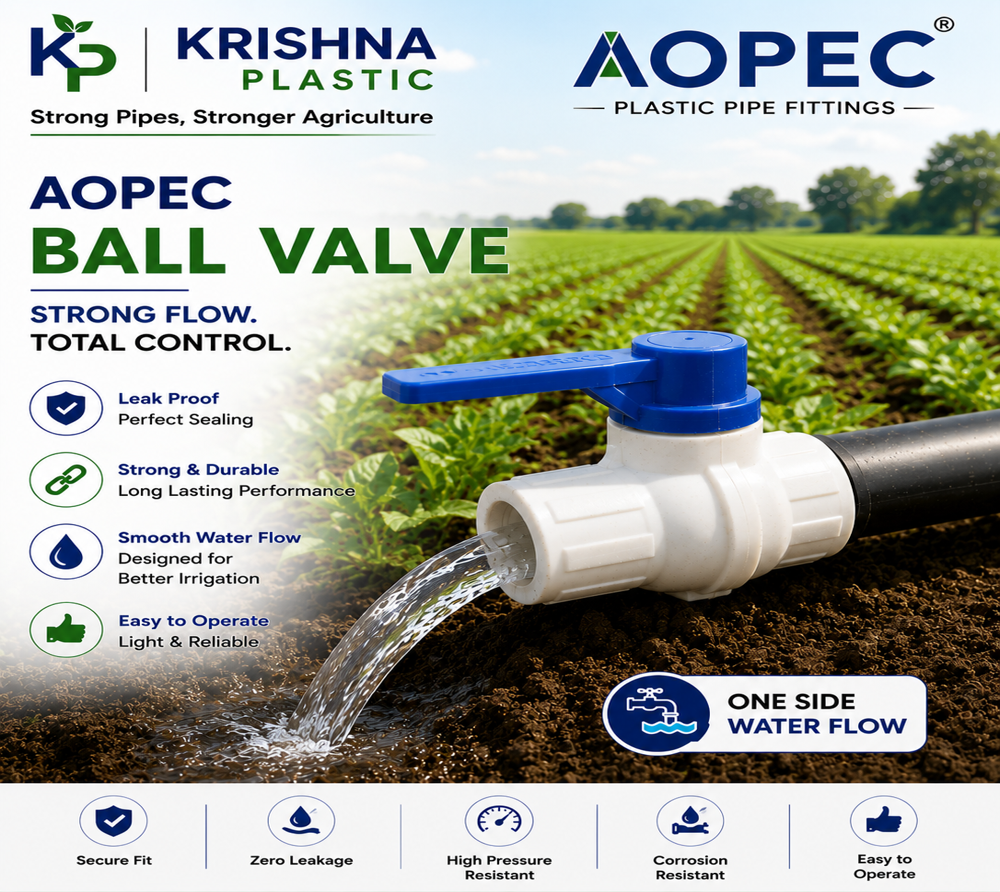
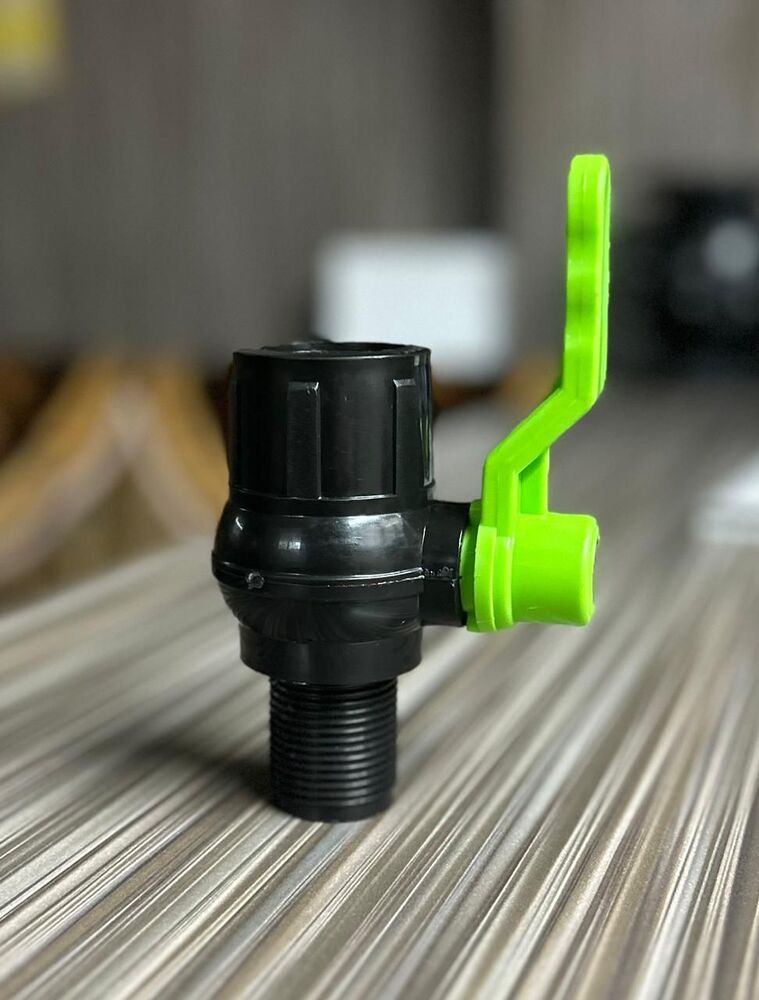
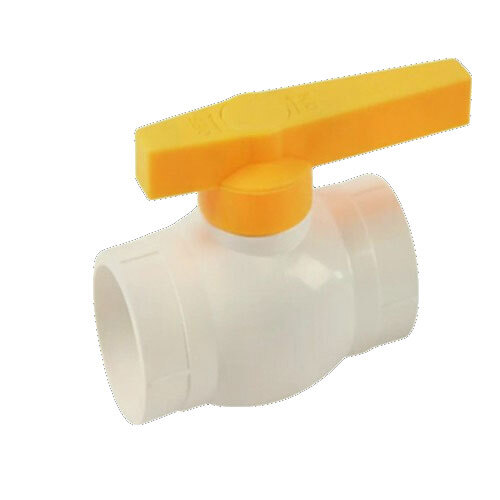
A plastic PP (Polypropylene) or uPVC (unplasticized Polyvinyl Chloride) ball valve is a corrosion-resistant, quarter-turn shut-off valve widely used in fluid handling systems.
These valves utilize a spherical ball with a bore to control the flow: a 90-degree turn of the handle opens or closes the flow path.They are favored over metal valves in applications requiring chemical resistance, low weight, and lower cost.
Robust Construction & Versatile Applications
Built from high-quality plastic (PP/UPVC), these ball valves provide excellent corrosion resistance against acids, alkalis, and salts. The versatile design ensures suitability for diverse sectors such as irrigation, water supply, agriculture, and chemical industries, offering a dependable solution for fluid control in demanding environments.
Precision Sealing and Minimal Maintenance
Fitted with EPDM, NBR, or PTFE seals, the valve ensures reliable leakage prevention under rigorous conditions-tested at 1.5 times working pressure. Its full bore, smooth finish, and replaceable seats and seals facilitate minimal required maintenance, promoting operational efficiency for extended service life.
FAQ's of PLASTIC PP UPVC BALL VALVE:
Q: How is the PLASTIC PP UPVC ball valve operated and maintained?
A: This valve is operated manually through a quarter-turn handle, which is available in either PP coated steel or plastic. Maintenance is straightforward due to easily replaceable seats and seals, offering low downtime for servicing.
Q: What types of media can the ball valve handle effectively?
A: The valve is suitable for water, chemicals, and air, owing to its excellent resistance to most acids, alkalis, and salts. Its construction and seal options make it ideal for industrial, agricultural, or chemical handling environments.
Q: When should I use a ball valve with different body designs?
A: Choose the body design-one-piece, two-piece, or three-piece-based on your servicing needs and application complexity. Three-piece designs are ideal for frequent maintenance, while one-piece valves offer a more compact and cost-effective solution for standard use.
Q: Where are these valves typically installed?
A: Common installation sites include irrigation systems, industrial fluid lines, water supply networks, agricultural setups, and chemical processing plants, thanks to their robust chemical resistance and adaptability to diverse environments.
Q: What is the process for replacing the seals on this ball valve?
A: To replace seals, manually shut off the valve and remove the handle. Disassemble the body as per the model's design-accessing the seats and seals for easy replacement. Reassemble and test under pressure to ensure correct renovation.
Q: What advantages does a full bore design offer in this valve?
A: A full bore (or full port) design minimizes flow restriction, ensuring optimal throughput and reducing pressure drop across the valve. This is beneficial for applications that require maximum efficiency and minimal loss in flow rate.
Tell us about your requirement
Price:
Quantity
Select Unit
50
100
200
250
500
1000+
Additional detail
Mobile number
Email
Name
Comapny Name
Phone Number
Email Id
City / State
Confirm Your Requirement
Verification Code
Did not receive yet?
Resend OTP
You’re Done!
We have received your requirements and will reply shortly with the best price.









 Send Inquiry